Integrated Interior Design

I am a planner and an interior designer. I have shaped my professional career around my passion for both and feel very strongly that they are inherent skills to one another. I do not differentiated between the two when someone asks me what I do. Often times people refer to me as an architect because I’m doing planning. But that is not the case. I, along with many professional designers, have a wide range of talents in spatial design and 3 dimension problem solving.

Over the past 20+ years since I earned my degree, understanding and integration in architecture has grown tremendously but misconceptions and lost opportunities still persist. More often than not a designer is brought on near the end of a project to layer in the color and finishes or furniture layouts and not integrated in the whole design process. The designer misses the crucial opportunities to contribute to the fit-out team and document the design elements throughout the phases.

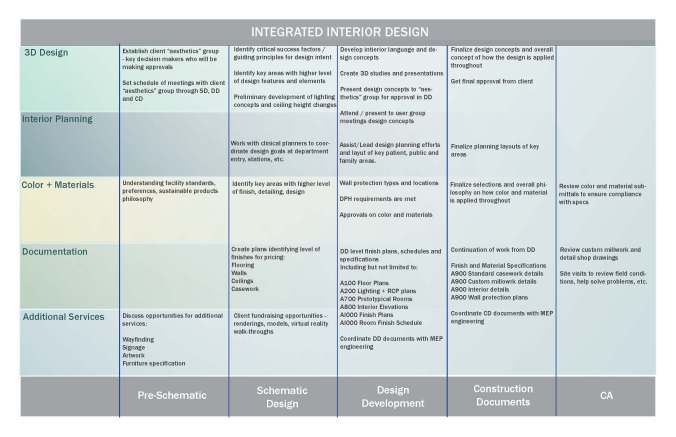
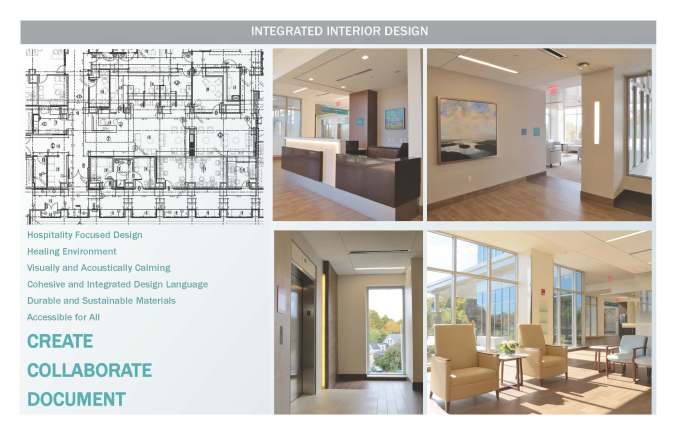
What does it mean for projects to have fully integrated interior design? How do you take a 2 dimensional plan and turn it into a beautifully designed and well-coordinated space that meets the clients expectations? Below is a chart illustrating key components a designer is responsible for | assisting on throughout all phases of the project with the main focus on interior design.
Integrated Interior Design_171020_v2_Page_1

Integrated Interior Design_171020_v3_Page_2

Family Waiting – why it’s needed

ed-waiting_mrmc

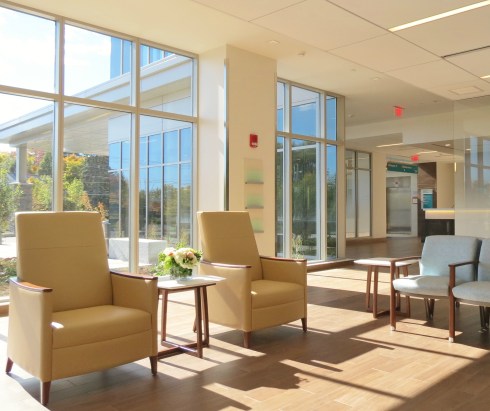
Family Waiting and Living Room at MRMC

Recently there has been quite a bit of discussion on the importance of waiting spaces in a healthcare setting. When faced with tight budgets, limited square footage, higher demands for clinical space, and not to mention equipment storage needs that keep growing, it is no wonder that any space given solely for families is being debated. Are they  really necessary components of the program?

Here’s a few things to consider:

1.   Patients’ family members are staying with them longer in the hospital than traditionally experienced. This is due in large part to clinical staff recognizing strong family support as essential members of the patient’s care provider team and the availability of better accommodations in the patient room.

2.    Longer stays means that families need to have access to a variety of amenities and different types of spaces – quiet zones vs. activity based areas. Many hospitals are providing family resource rooms, child playrooms, meditation rooms and touch-down spaces for laptop/work use. Lounges which provide kitchenettes where families can prepare and eat meals.  And finally, dedicated family lactation and laundry rooms are being provided in pediatric units.

3.    It is not always possible for the family to stay in the room with the patient the entire time during their hospital stay. The patient may require sleep with no interruptions, they may need their privacy in the room for certain procedures, or there may be times when the family member needs to get a break but still needs to be close by. Having a variety of family accommodations and settings will only reinforce their commitment and focus to the patient’s well-being.